Language Arts - ELA
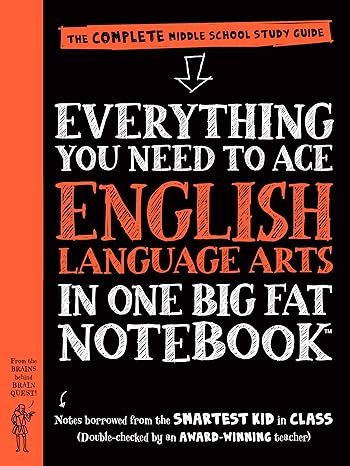
Language Arts (ELA - English Language Arts) is composed of multiple subject strands and it’s almost impossible to find 1 curriculum to cover them all. I find it easiest to break up the focus of learning over different semesters. There are many perspectives on what strands should be included but this is what I teach as fundamental skills:
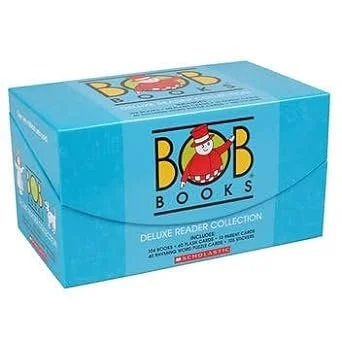
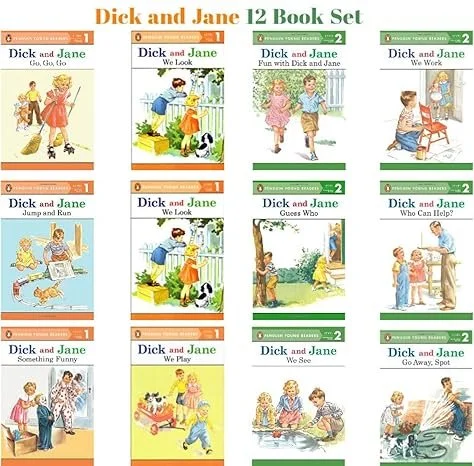
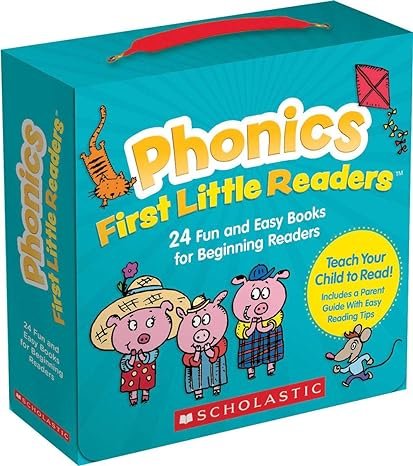
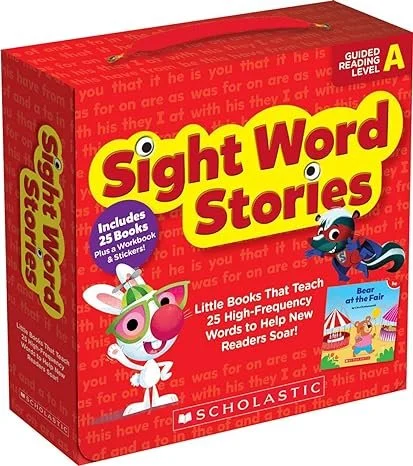
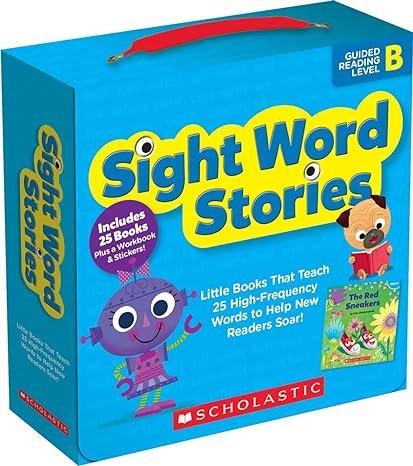
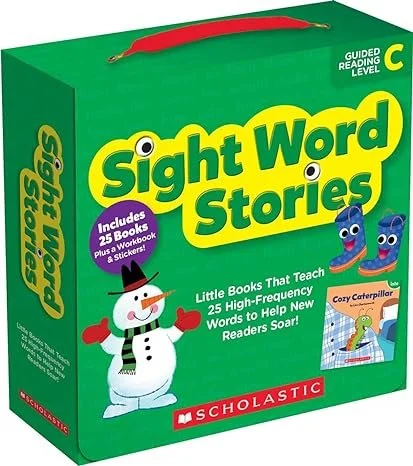
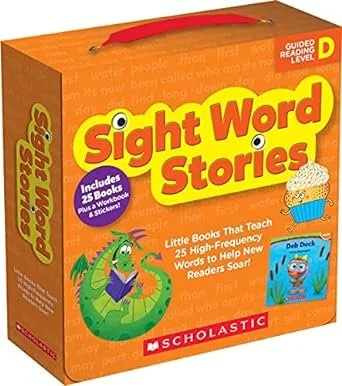
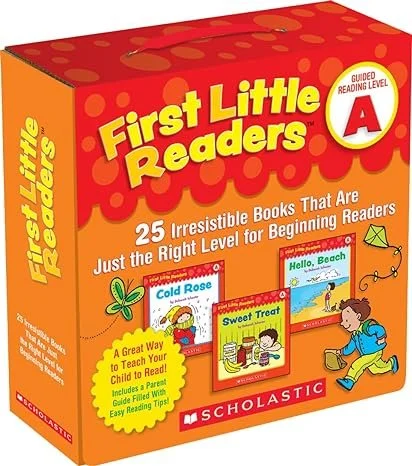
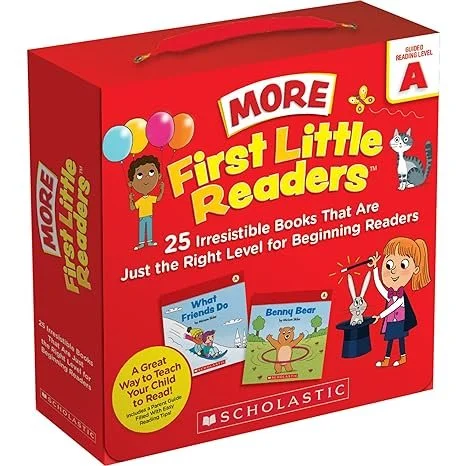
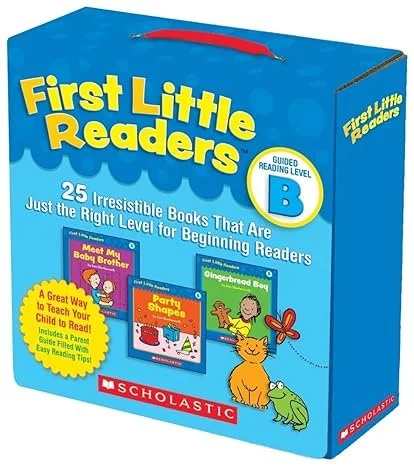
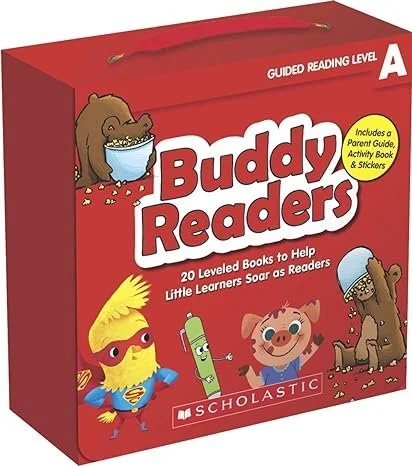
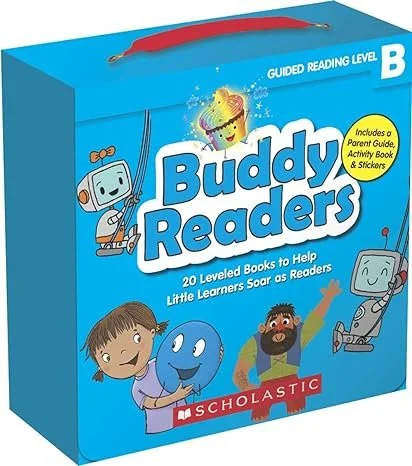
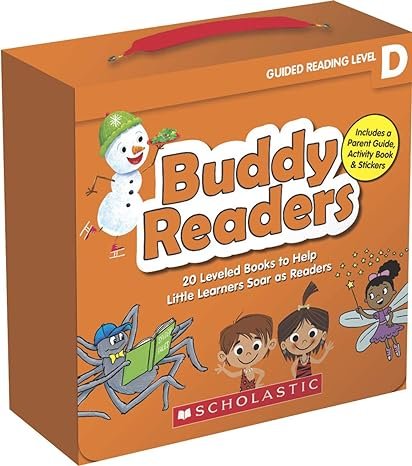
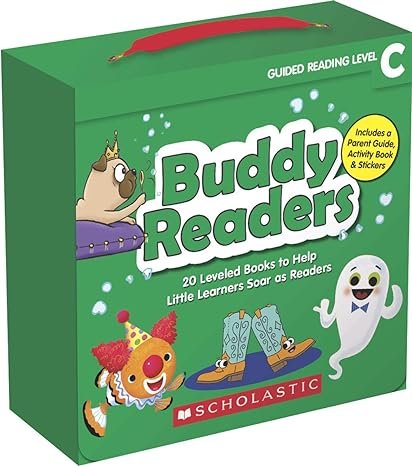
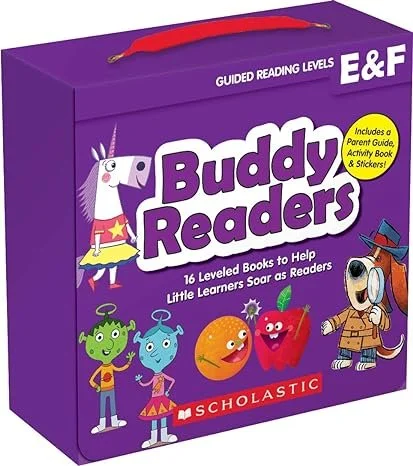
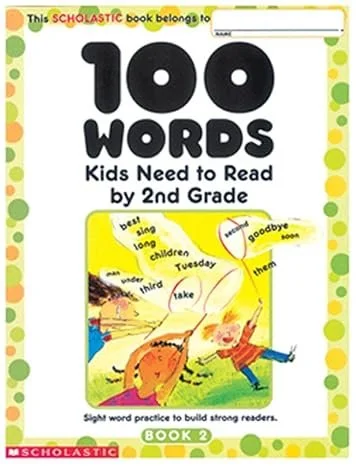
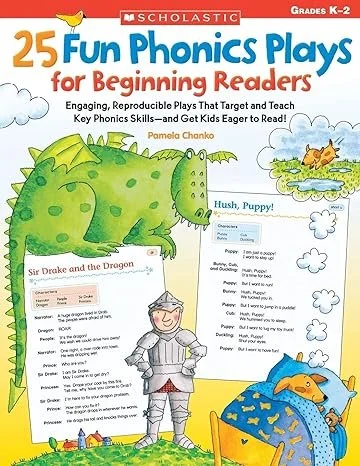
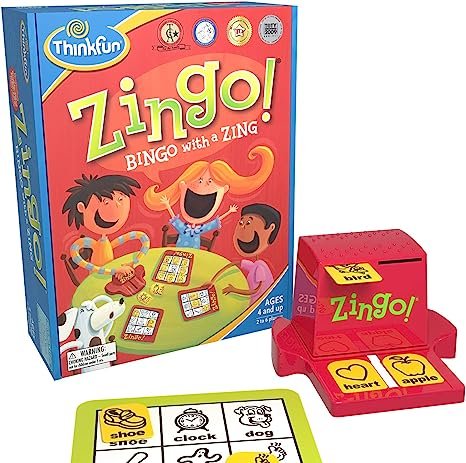
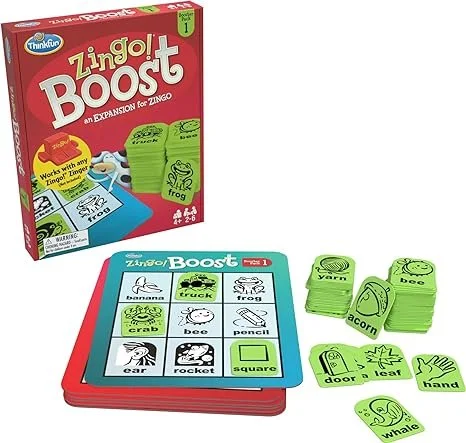
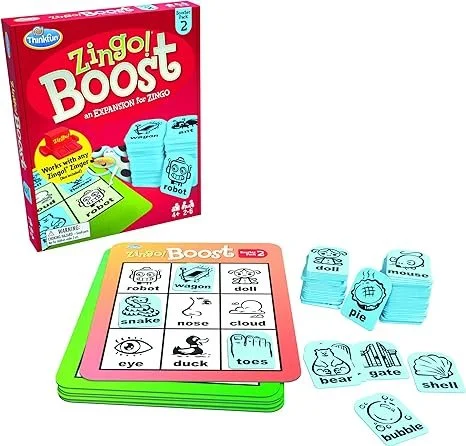
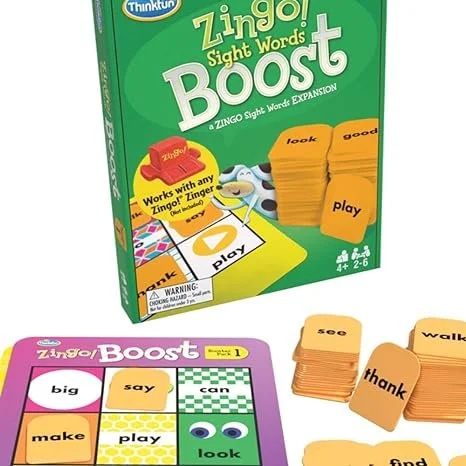
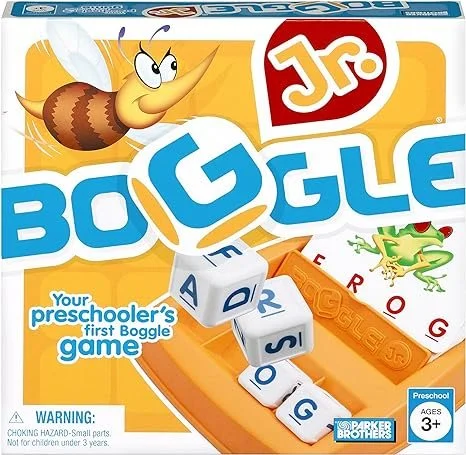
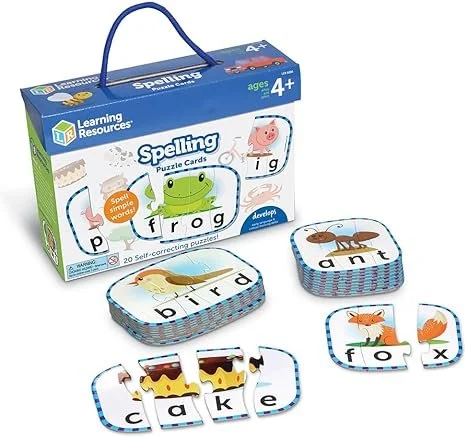
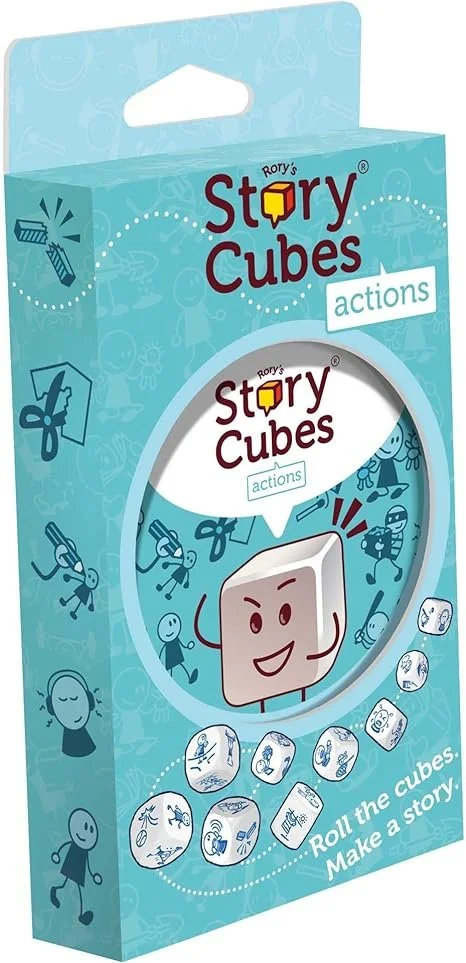
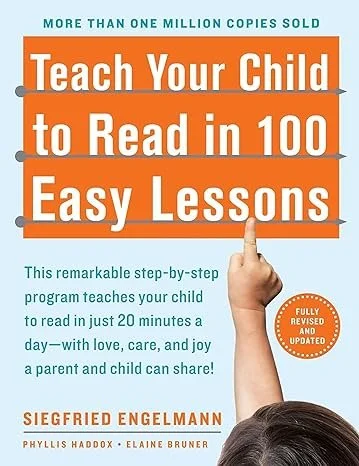
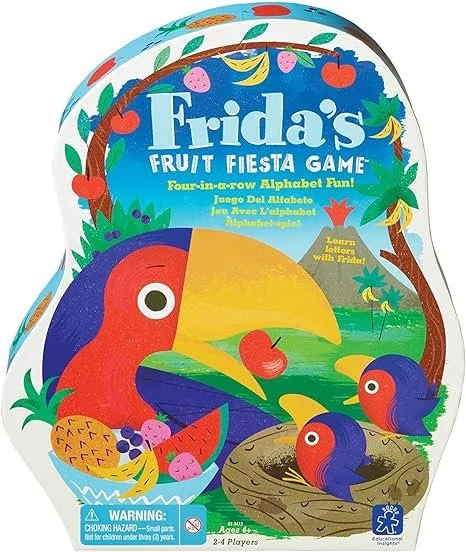
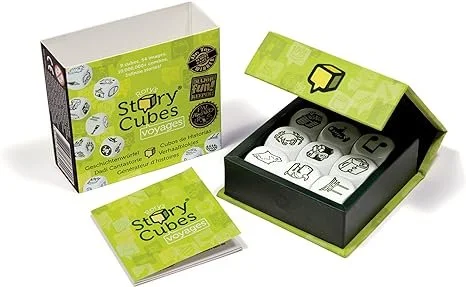
Reading - this can be a controversial topic with so many methods (whole language, phonics, balanced literacy, etc.) I use a variety of books and tools for exposure to reading. We use puzzles, games, books, and real life activity through daily life. Initially I approach with phonics in Logic of English, but I also love the Dick and Jane/Bob Books series because they are repetitive which quickly builds confidence to move into leveled reading books that hold interest longer. Learning to read is different for every child and takes a mix of skills which requires a mix of tools.
Logic of English
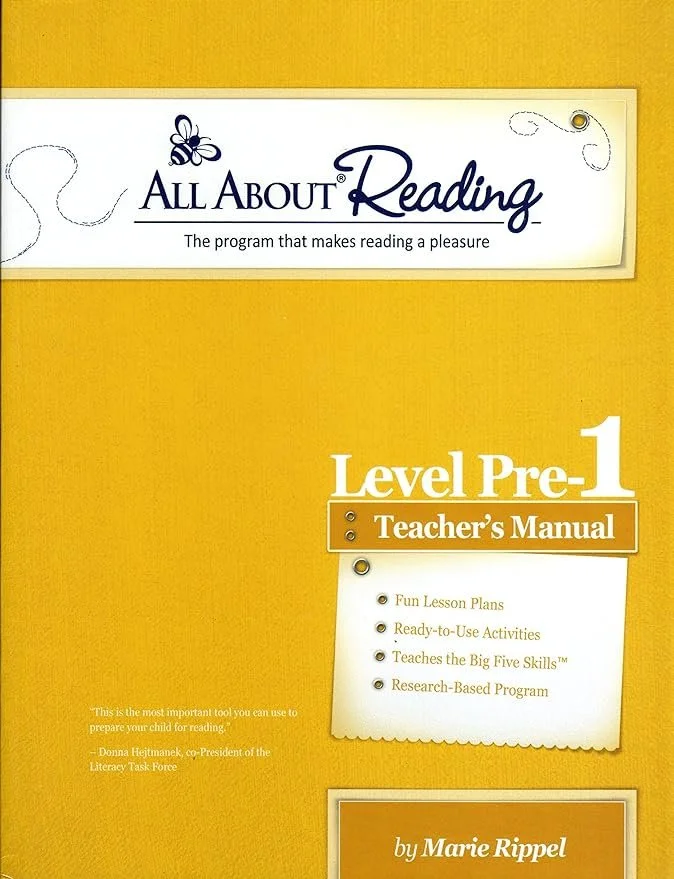
All About Reading
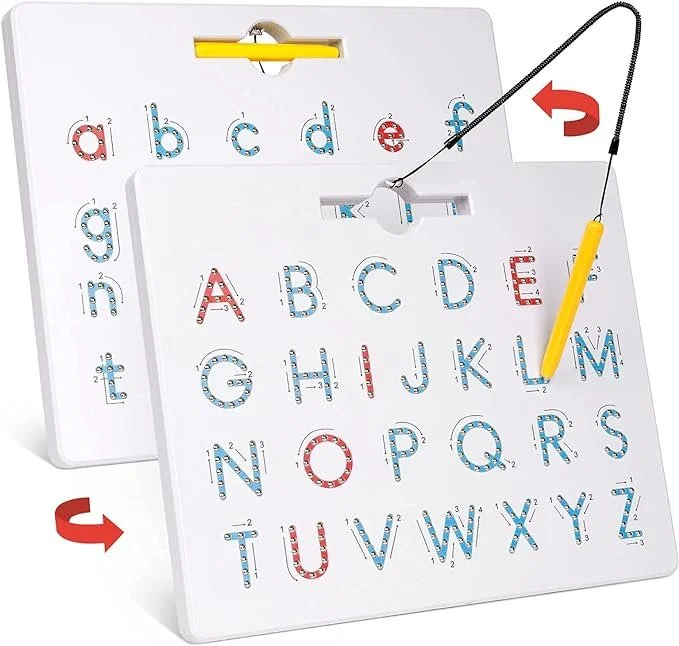
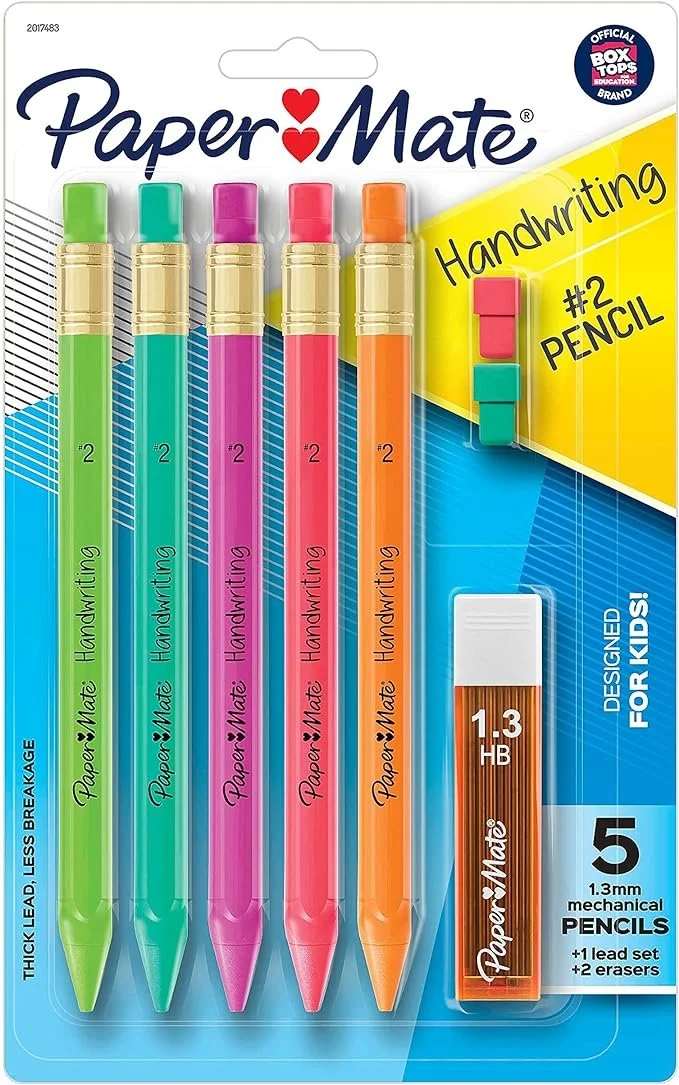
Handwriting
Logic of English
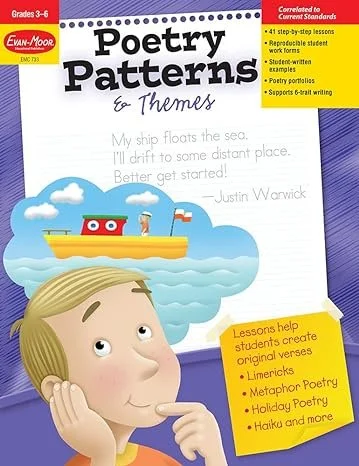
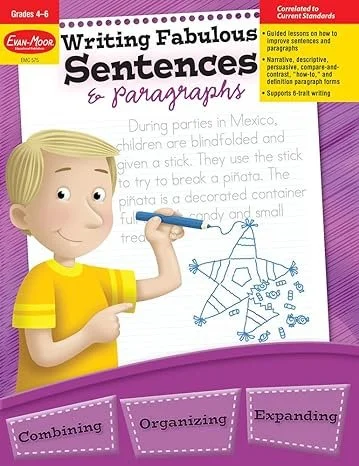
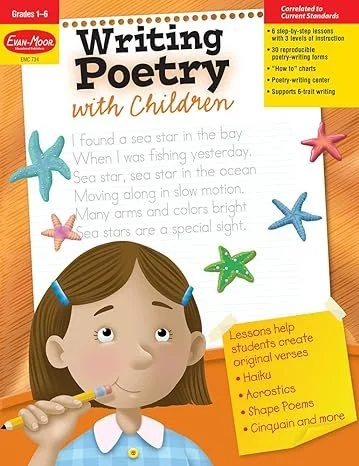
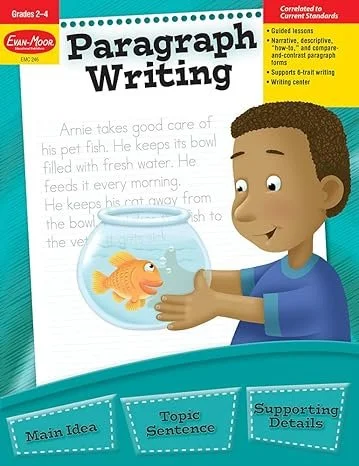
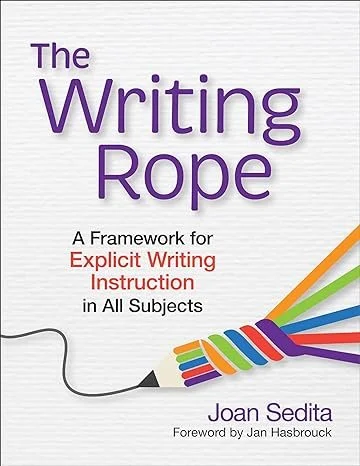
Writing (sentence, paragraph, essay, critical response, literary analysis, etc.)
I start early writing with copywork
In 1st grade we do daily book reports using templates to practice reading, comprehension and guide early literary analysis. These are the templates I love
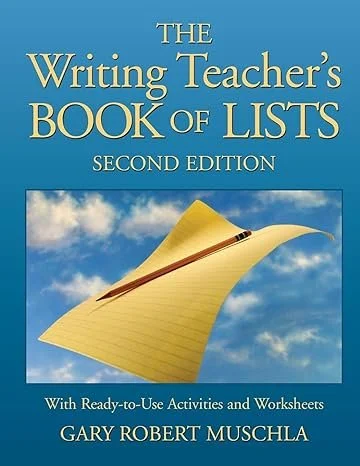
You can also find may lists and books of writing prompts, keep a notebook and have your student spend 10 minutes writing about a prompt. Using a set amount of time starts to teach time management, focus and understanding how getting the ideas down on paper without getting it perfect the first time is ok.
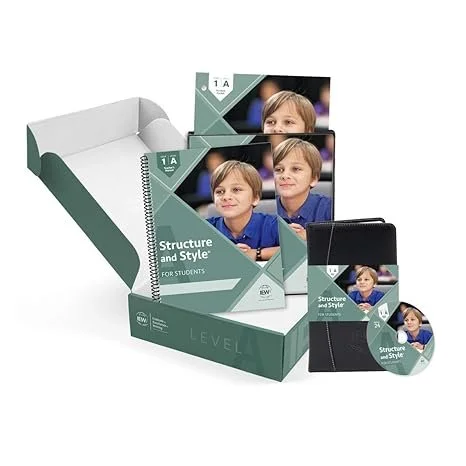
IEW Structure & Style - My kids love this as a writing curriculum, however I think the fix it grammar option doesn’t teach well because it is just correcting sentences and if a student hasn’t learned and practiced the grammar rules it’s impossible to find the mistakes…we found it very frustrating.
Thoughtful Learning - I love the writer’s express books, they are writing focused but include tidbits of grammar and vocabulary. We typically work through 1 book each summer and practice writing as we go.
Public Speaking
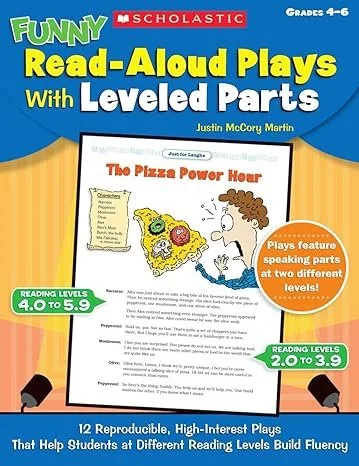
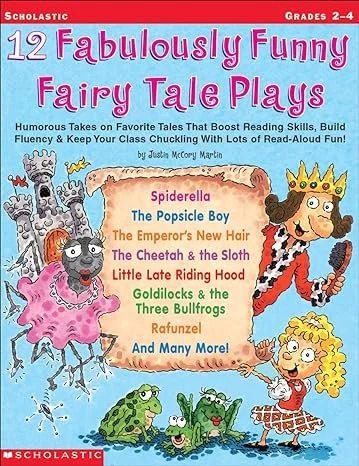
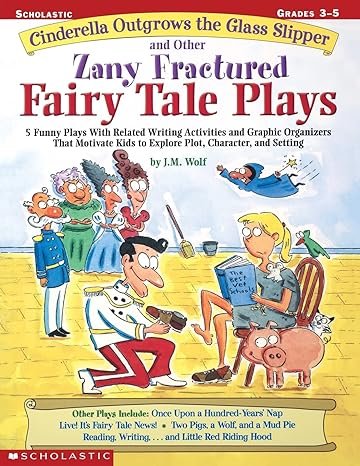
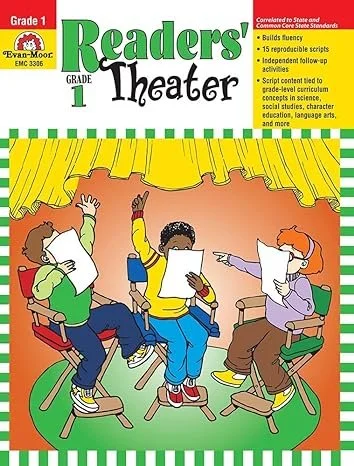
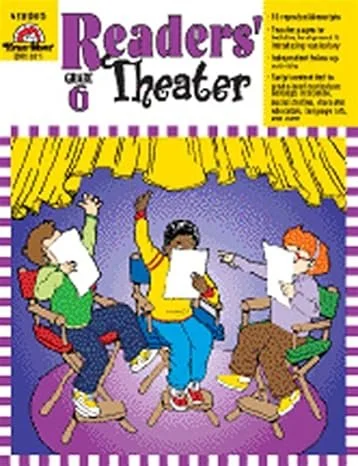
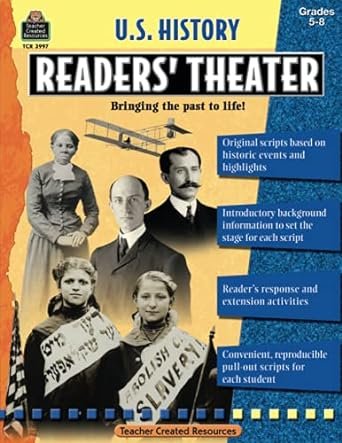
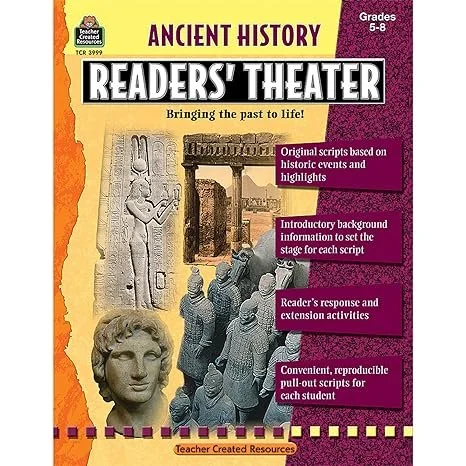
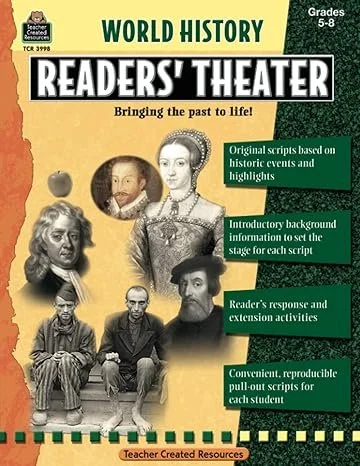
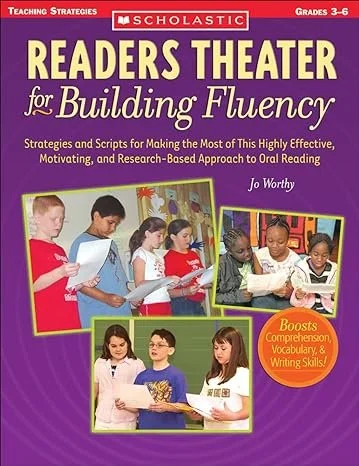
Evan Moor Reader’s Theater series is great for practicing reading fluency in a group. My girls LOVE theater, these are fun and easy to use.
I love Evan Moor Easy File Folder Reports to research, create lapbooks/reports and then practice as a presentation that we record.
Listening
Viewing
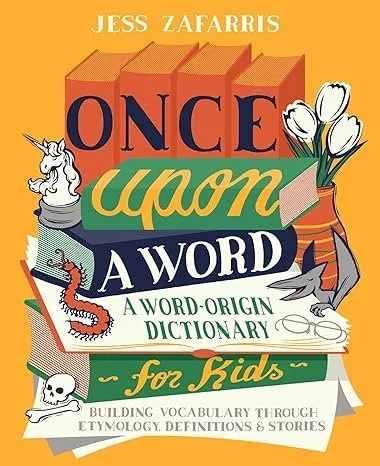
Vocabulary
Wordly Wise
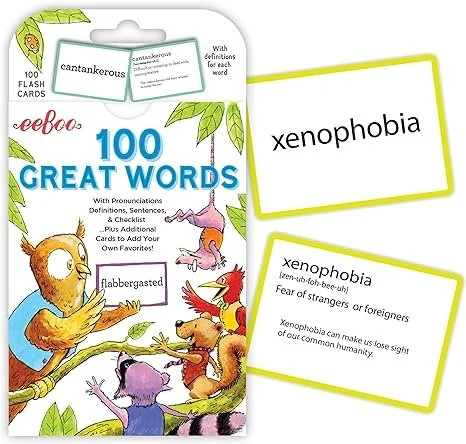
Mrs. Wordsmith
Reading Comprehension
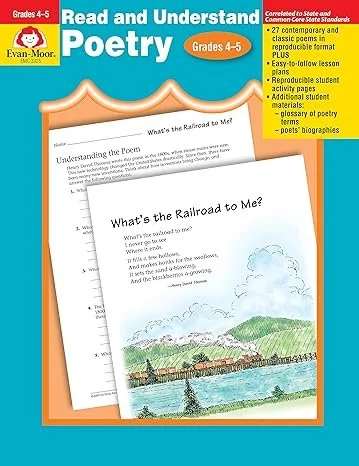
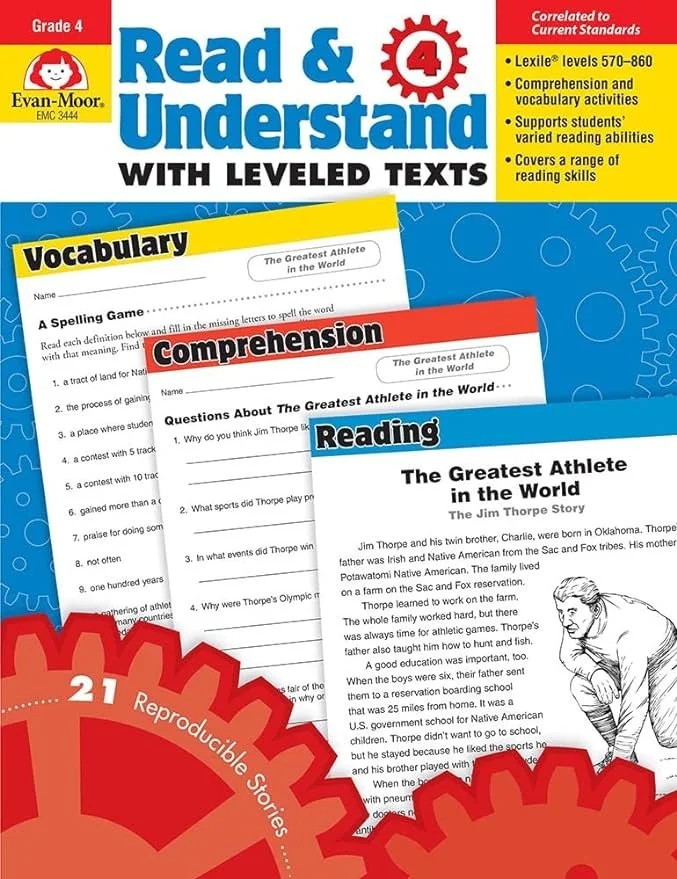
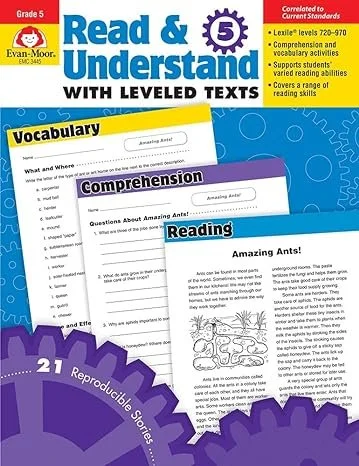
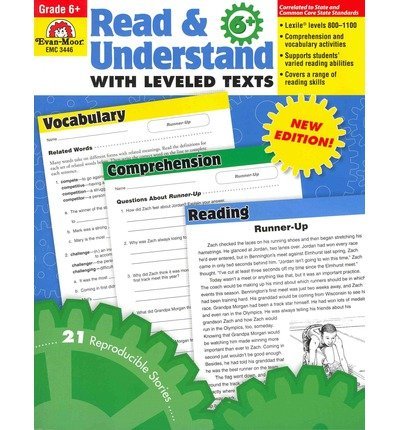
Evan Moor Read & Understand Leveled Texts (not my favorite way to work on comprehension, but efficient if you don’t want to work through entire chapter books.)
I have also used REACH and Journeys textbooks to practice reading comprehension because they have critical thinking questions included in the book and cover a wide variety of short text. They are inexpensive to find used and work well if a student needs just a little more practice to develop this skill. I also like the exposure to a wide variety of topics and reading styles these books offer.
Spelling
All About Spelling
Spelling Power
Grammar
Saxon Grammar
Easy Grammar
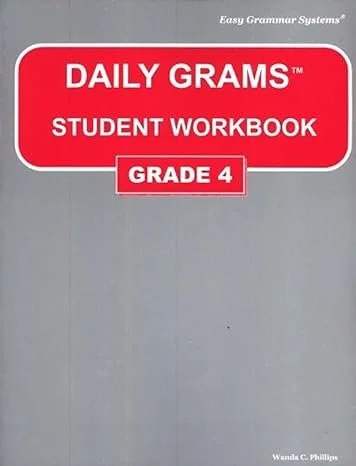
Daily Grams
Shurley English
Literary Analysis
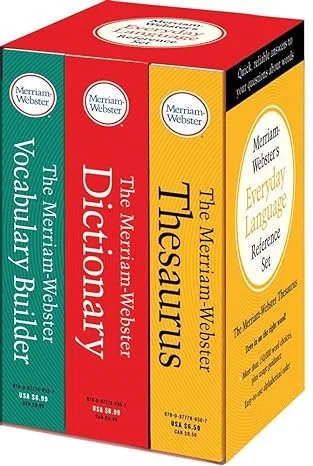
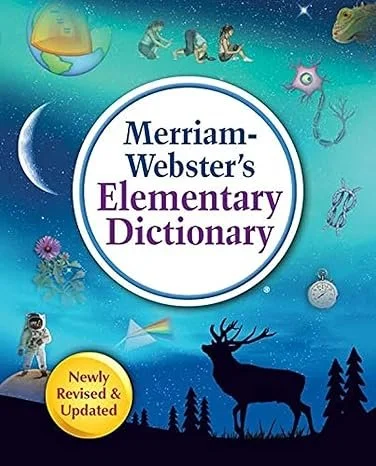
Media Literacy (library skills, research tools skills/dictionary/thesaurus/encyclopedia, internet skills, etc.)
I have had very early readers, both of my oldest started at age 3, we read a lot and I encourage prereading skills as soon as they start recognizing objects, animals and letters. Reading is a part of the natural flow of our interaction. But I also know it doesn’t come easily for everyone so the resources I’ve included as favorites are also tried and true for kids that find it challenging. Even though I have early readers I still go through phonics programs because there are words they recognize and read easily, but others they do not and a point does come where their reading growth is halted because they don’t know how to decode the phonics in words that don’t follow the standard patterns they have memorized.
The items below are my favorite tools to teach 3 children across a
wide age range - photos are linked!