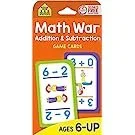

Math
I like Singapore Dimensions Math for grades K-5, it is self learning and includes 3 models in each lesson. It is mastery style and moves quickly but includes plenty of practice in the workbook lesson to ensure my students understand the material.
The items below are my favorite tools to teach 3 children across a
wide age range - photos are linked!
We take a mastery approach to math with Singapore Dimensions for PK-5. It’s a straightforward approach that uses 3 steps to teach each concept: 1. concrete, hands on method, 2. conceptual pictorial models, 3. abstract procedural method. There is a strong focus on mental math and number sense rather than just memorizing a process. The textbook is self teaching and combined with the workbook provides an abundance of practice. Tests are available to give early practice in procedures. The teacher guide is necessary because it includes the answers (I prefer the teacher guide over the home instructor’s guide.) It includes many additional activities and games to assist if a child is finding a specific concept difficult. I always thought I was bad at math, I did not enjoy it and felt very insecure about my math skills. Teaching with this curriculum has changed my life, I now feel confident in everyday math and even enjoy playing math games with my kids! There is also a video subscription available if a child requires additional learning support.
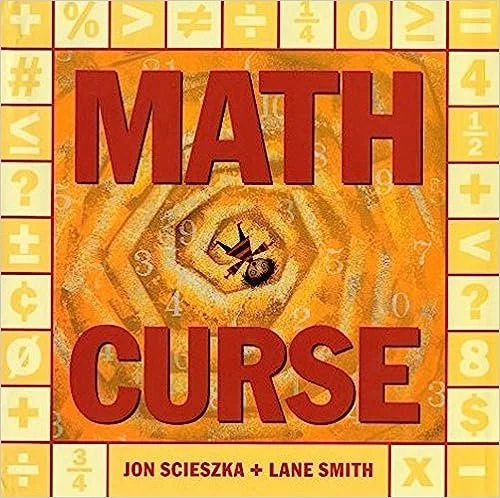
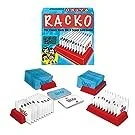
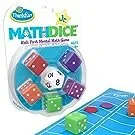
My children really enjoy playing math games and reading math books is a favorite at bedtime. I also use Moffat Girls Preschool NO prep home learning packets #1, #2, #3 and #4, Preschool monthly fine motor skills bundles #1 and #2, Preschool monthly no prep packets bundle and Kindergarten monthly morning bins. I would not recommend using this format unless you have multiple children to use it for early learning, it is VERY time intensive to print, laminate and create. I organize mine by month in binders with plastic sleeves and it does take up a significant amount of space. Many of the activities can be printed at half page size which cuts down on the amount of space required.
Other things I find helpful are to print or purchase a laminated number line and alphabet that shows directional writing lines (specific to left or right handedness because I have 1 of each!) and tape that to the top of our desk. It eases frustration when a child can’t remember a shape or direction to create a letter or number and gives the independence in learning. I also print and laminate a 10 frame and teach them to use it with counting chips while solving math.
I create mini office folders for each year with key details or items that are challenging to remember. They function as both a resource and privacy screen if our classroom is particularly distracting that day. If your child struggles with a specific math, grammar or writing detail it is easy to find an image to print or create text to add into the mini office as a reference.